
Compare 1GbE, dual-port 10GbE copper, and dual-port 25GbE fiber adapters for server builds, distribution programs, and project sourcing.
A strong server connectivity portfolio does not need dozens of overlapping models. For importers, distributors, and project buyers, a focused selection covering 1GbE, 10GbE, and 25GbE can address routine deployments, infrastructure upgrades, and bandwidth-intensive systems. The key is matching interface, port count, PCIe configuration, and deployment environment.
Three Practical Performance Tiers
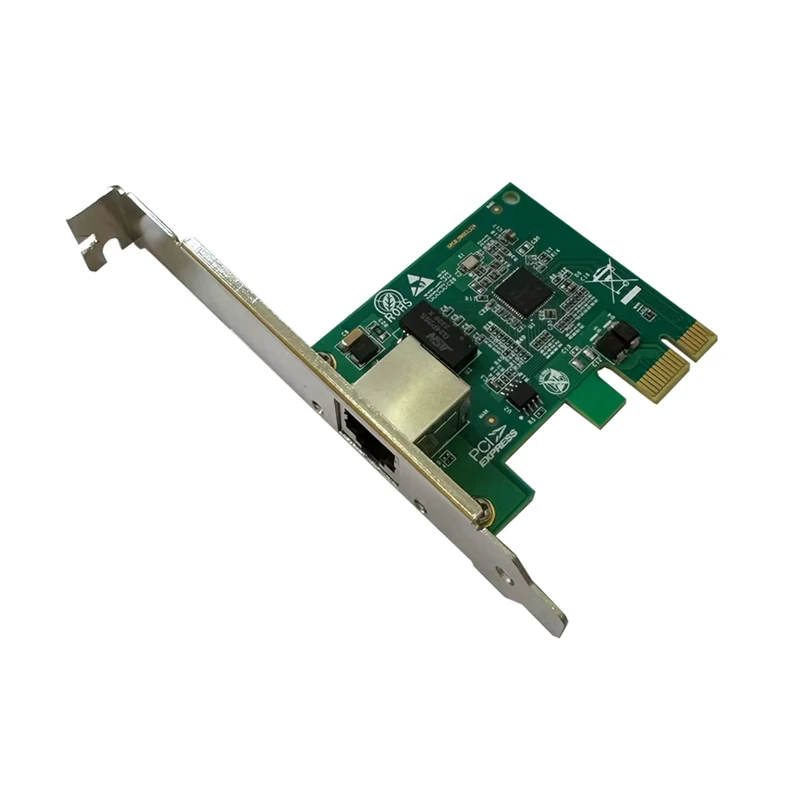
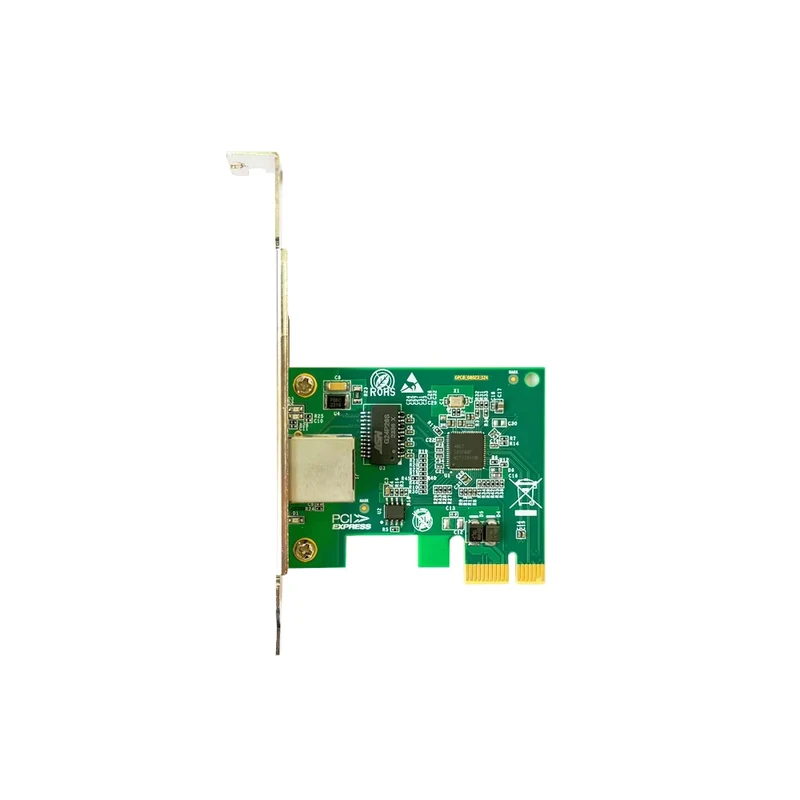
For standard server management, business networks, and embedded systems, the 1GbE PCIe adapter provides a single RJ45 port in a PCI Express 2.0 x1 format. Its I210AT controller and support for 1U or 2U hosts make it a practical option where slot efficiency and dependable Gigabit connectivity matter.
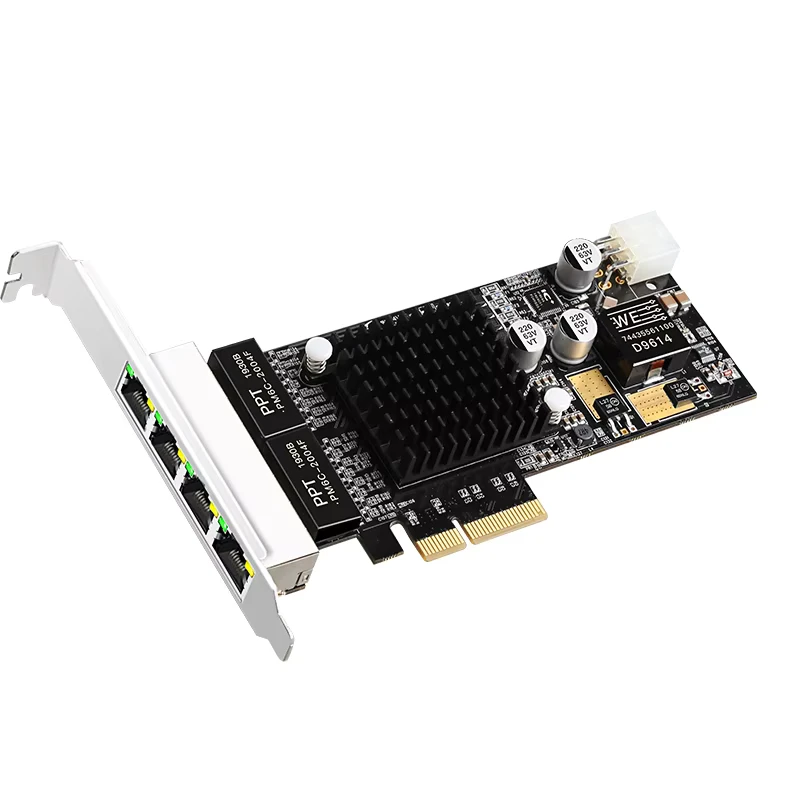
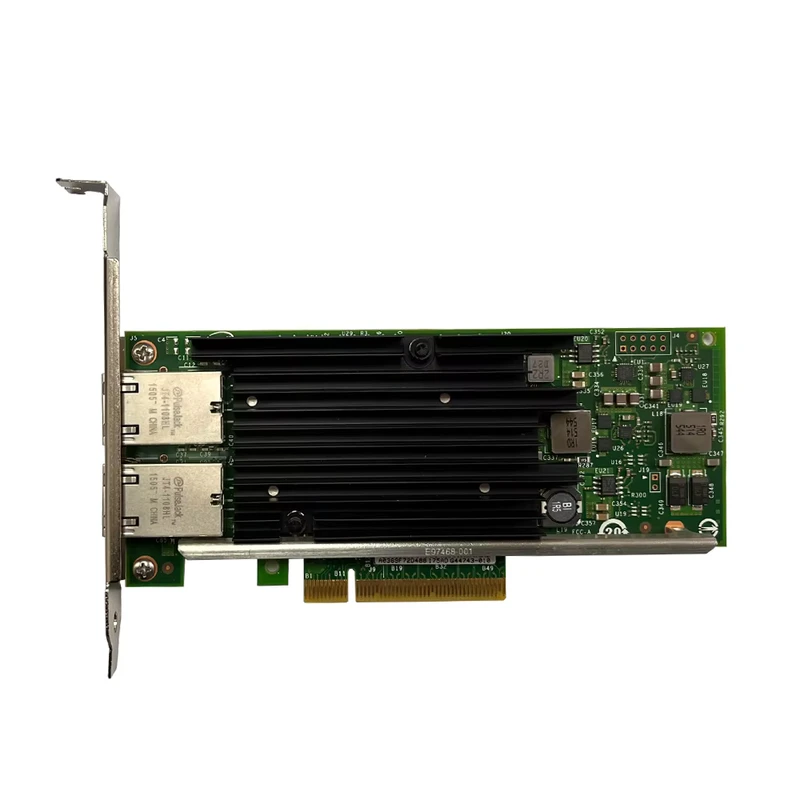
When existing copper cabling must support higher throughput, the dual-port 10GbE card offers two RJ45 interfaces with 10GBase-T and 1GBase-TX support. The PCI Express x8 design and controller suit server upgrades that need more bandwidth without moving immediately to fiber infrastructure.
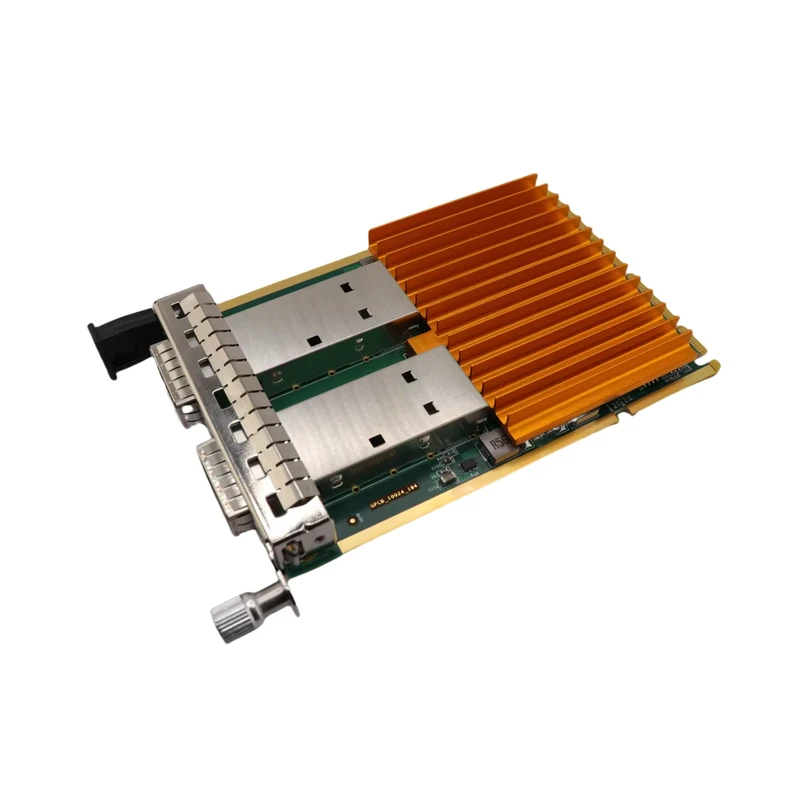
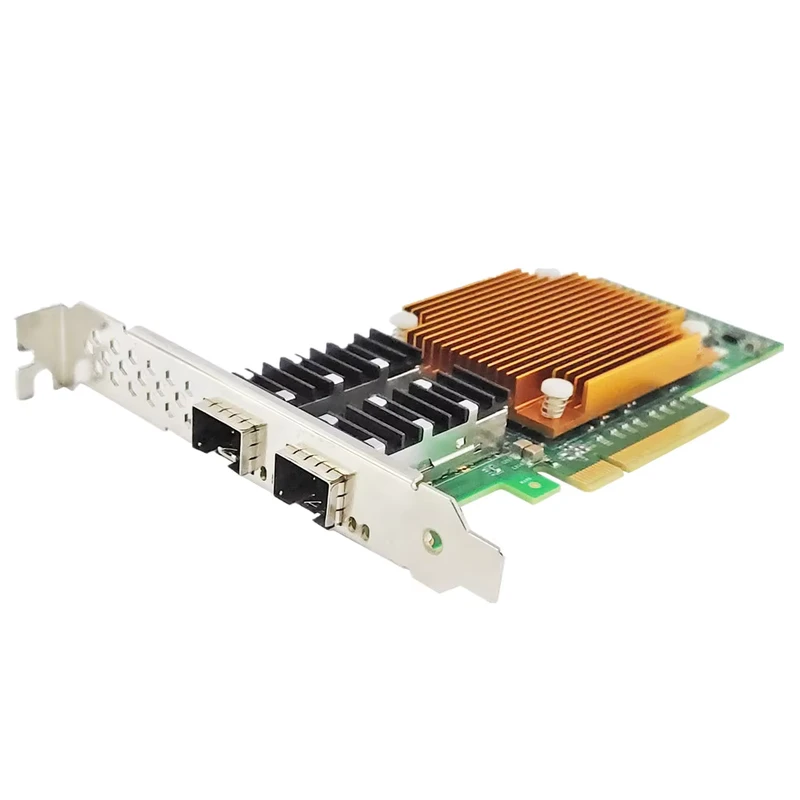
For storage platforms, firewalls, gateways, and demanding server applications, the 25GbE fiber adapter provides two optical ports, an E810-XXVAM2 controller, jumbo-frame support, and a PCIe x8 interface. Its listed 12.1W rated power also helps system integrators evaluate thermal and power requirements during hardware planning.
Source Around Real Deployment Needs
Buyers should confirm host height, operating environment, cabling, optical module requirements, and driver compatibility before ordering. Explore the broader network card range, or send your target speed, port configuration, and projected quantity to discuss a suitable supply plan and request a quotation.