
Compare 100GbE OCP, quad-port Gigabit PCIe, and WiFi 6 USB adapters to source the right connectivity mix for server and desktop projects.
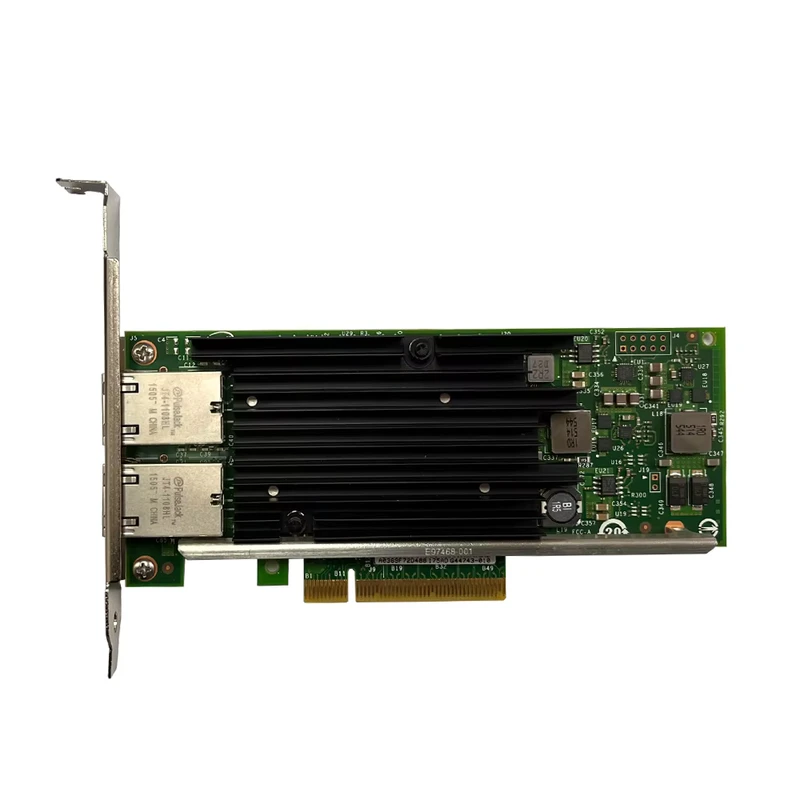
Network adapter sourcing is rarely about selecting the highest headline speed. Importers, distributors, and project buyers must also consider host architecture, port density, cabling, operating systems, and deployment environment. A balanced portfolio may need high-throughput server interfaces, reliable copper connectivity, and convenient wireless upgrades.
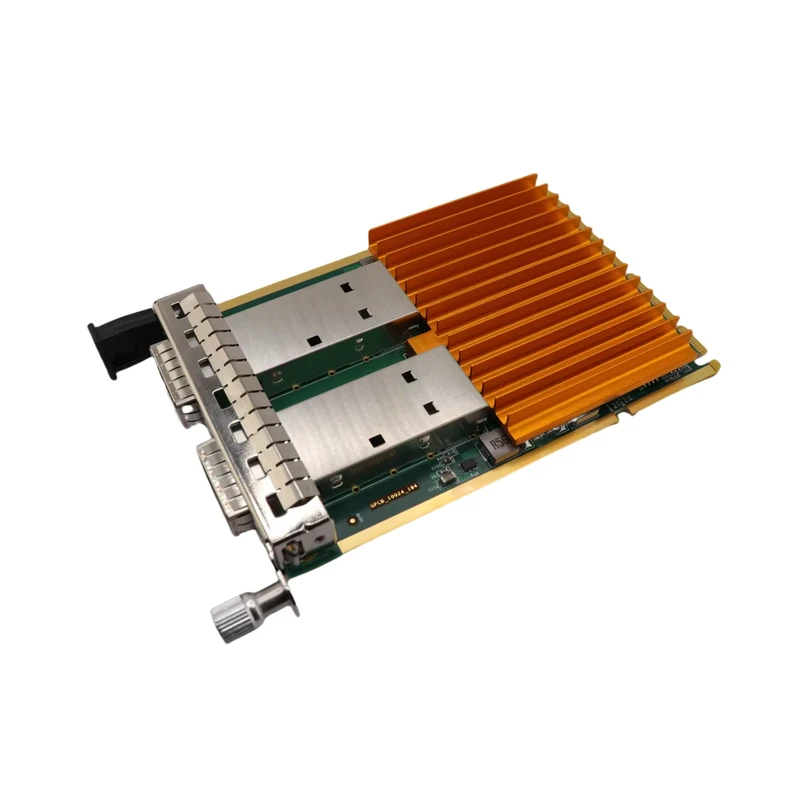
Server Connectivity at Two Different Scales
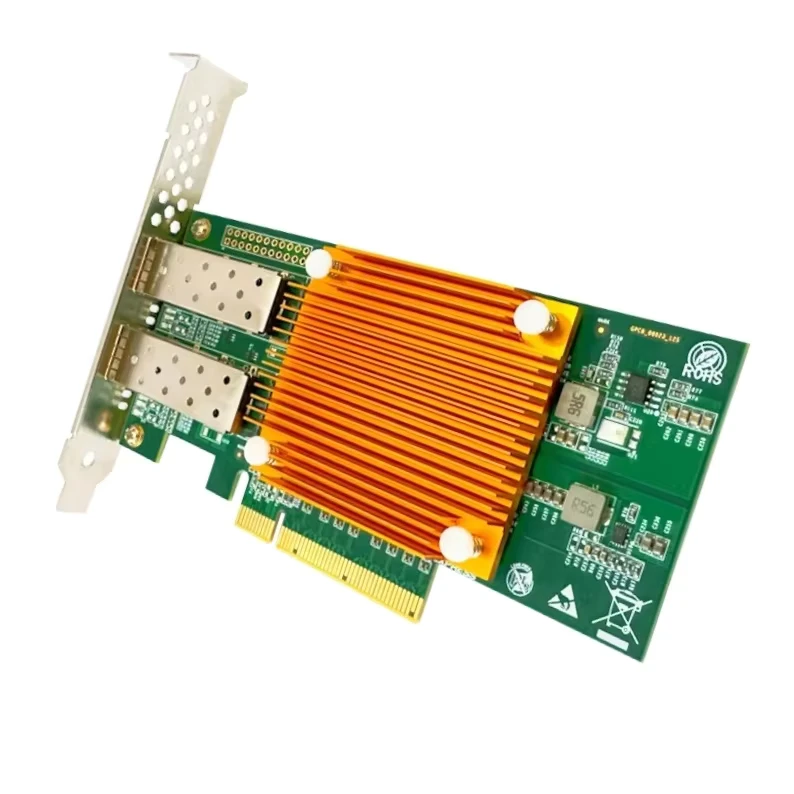
For data centers, virtualization platforms, and bandwidth-intensive storage networks, the dual-port 100GbE adapter combines an OCP 3.0 form factor with two QSFP28 fiber interfaces. Its PCI Express 3.0 x16 host connection supports demanding server environments where throughput and interface density are important purchasing criteria.
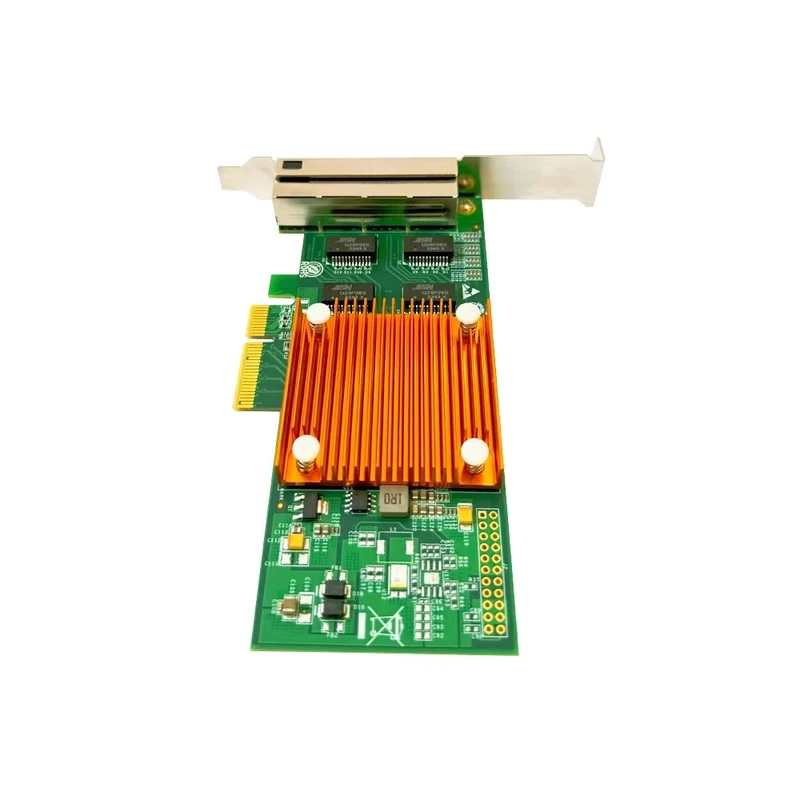
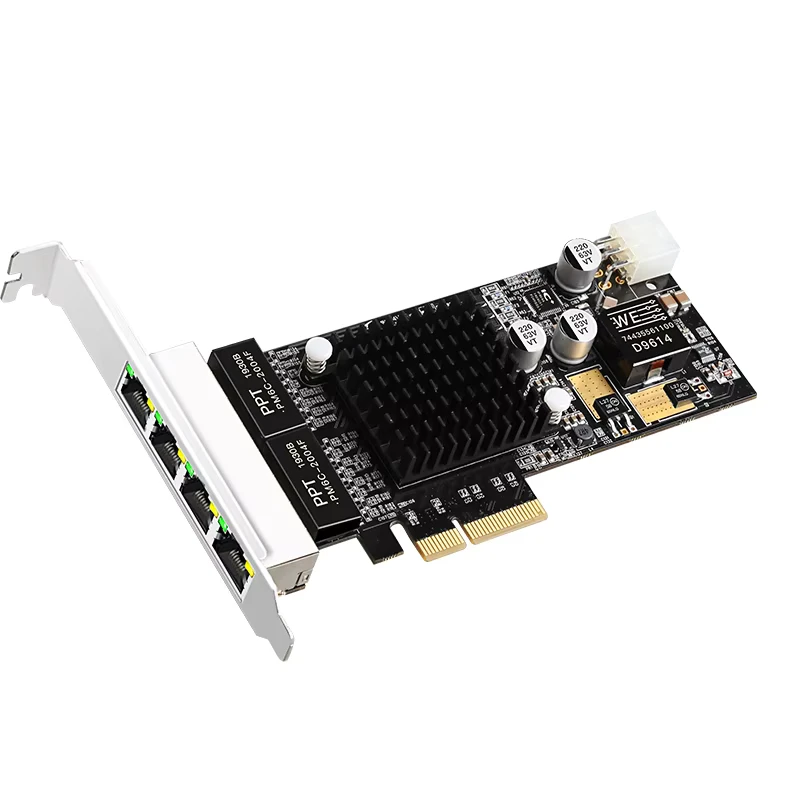
Not every appliance requires 100GbE. Firewalls, storage devices, and conventional servers often benefit more from multiple independent copper connections. The quad-port Gigabit card provides four 1000Base-T RJ45 ports through a PCI Express 2.0 x4 interface. Support for different host heights makes it practical for integration into compatible 2U and 3U systems.
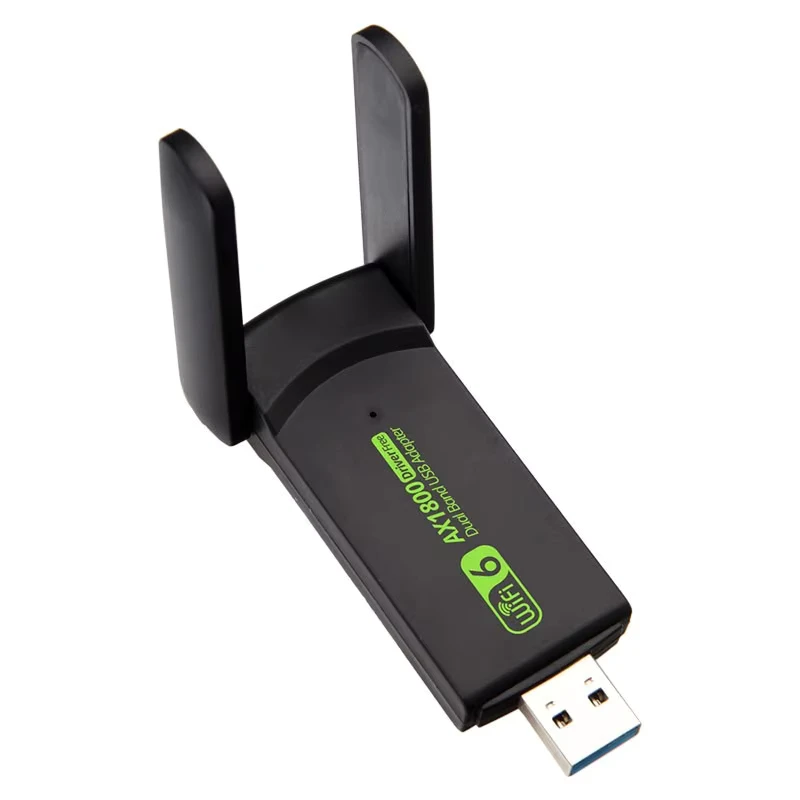
A Simple Wireless Upgrade for PCs
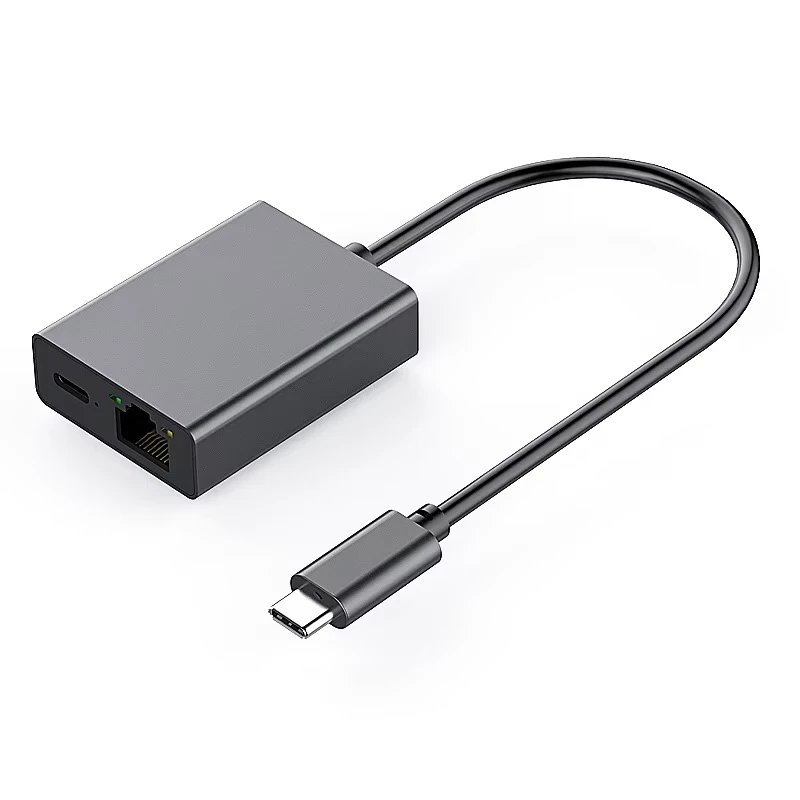
Desktop and laptop projects have different priorities: quick installation, broad frequency support, and minimal internal modification. The WiFi 6 USB adapter offers dual-band 2.4 GHz and 5 GHz connectivity, a USB 3.0 interface, an external antenna, and support for Windows 10 and 11. Its advertised wireless rate reaches 1800 Mbps under suitable network conditions.
Choosing among these products starts with the application rather than the connector alone. Buyers should confirm server slots, operating-system compatibility, cable infrastructure, bracket requirements, and target throughput before ordering. Explore our broader network card range, or contact us to discuss specifications, quantities, packaging, and procurement requirements for your market.