
Compare four-port Gigabit copper, dual-port 10GbE SFP+, and dual-port 25G fiber adapters for server, edge, and distribution projects.
Network card sourcing should begin with the connection type and workload, not simply the highest available speed. Copper reach, fiber infrastructure, PCIe slot format, port density, operating system support, and product condition can all affect deployment. Three adapter configurations illustrate how buyers can match hardware to practical network requirements.
Three Interfaces for Different Traffic Demands
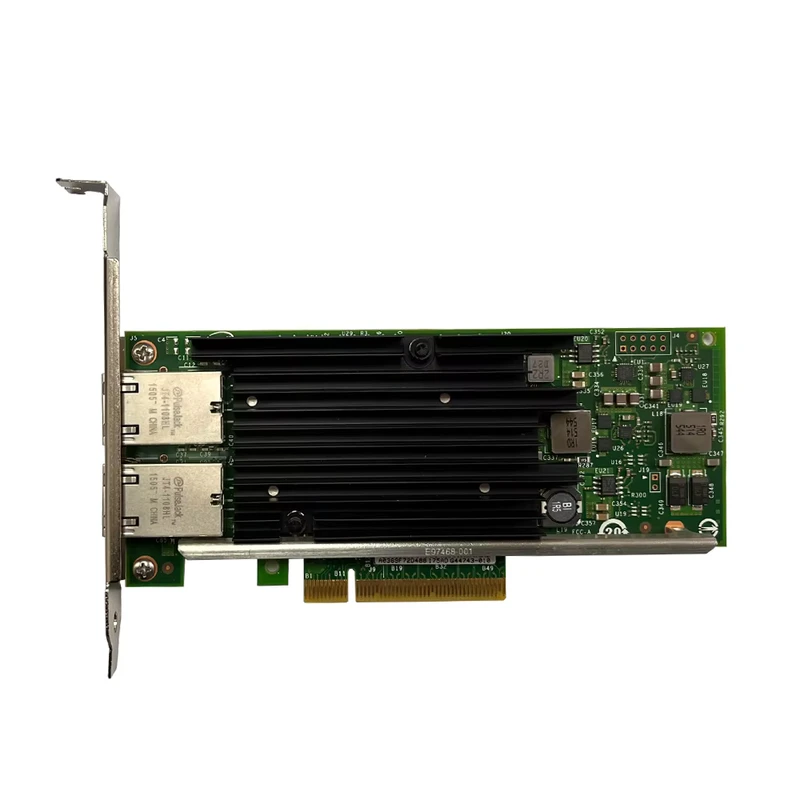
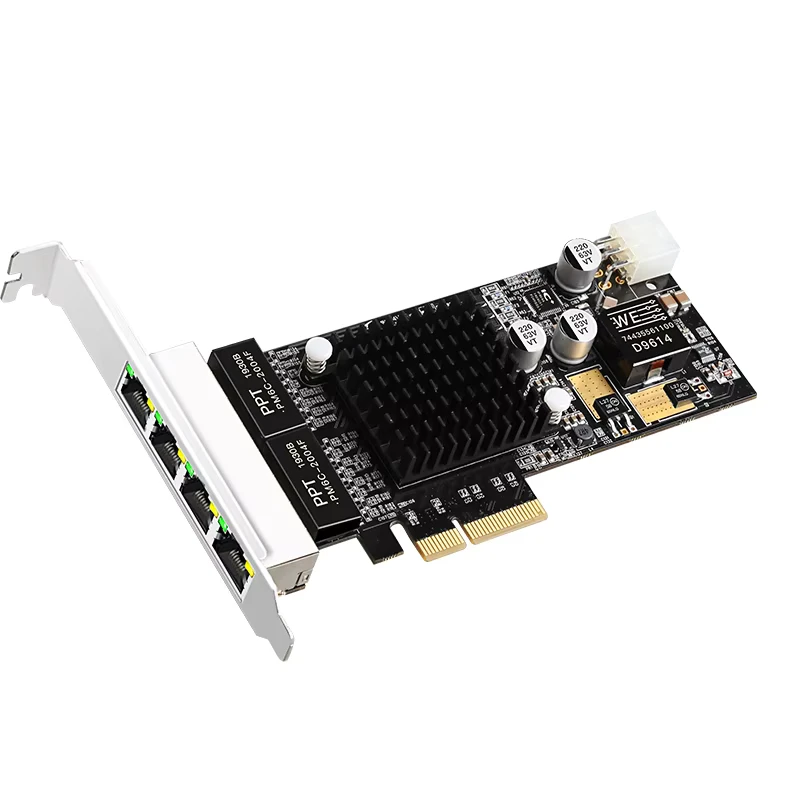
The four-port Gigabit adapter provides four RJ45 connections through a PCI Express interface. With 10/100/1000Mbps transmission and an Intel I350 chipset, it is suited to copper-based server, desktop, terminal, printer, scanner, and similar connected-device environments. Its multi-port design can help consolidate several Gigabit links into one internal card.
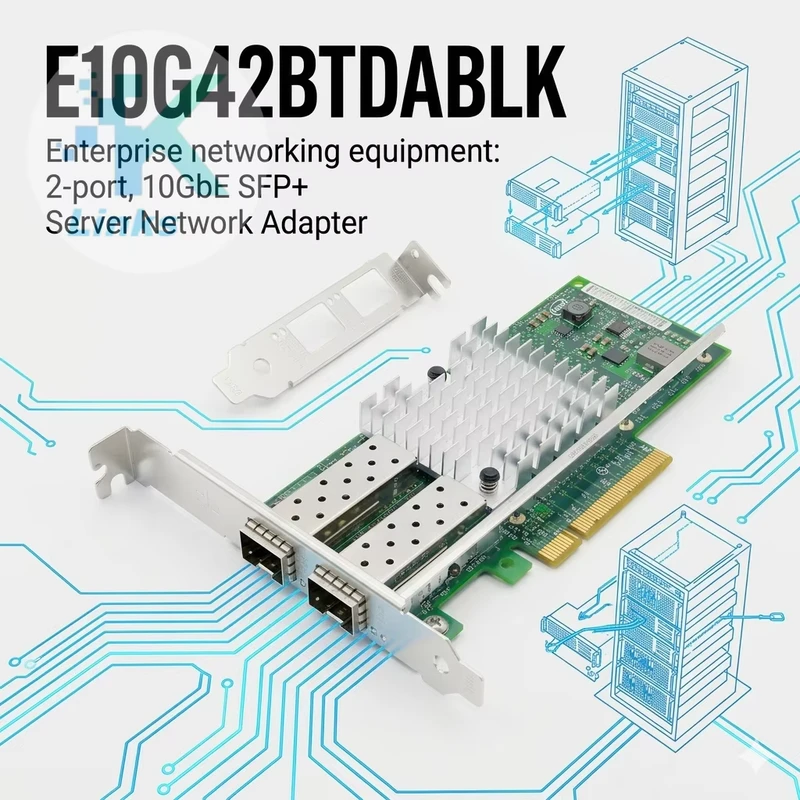
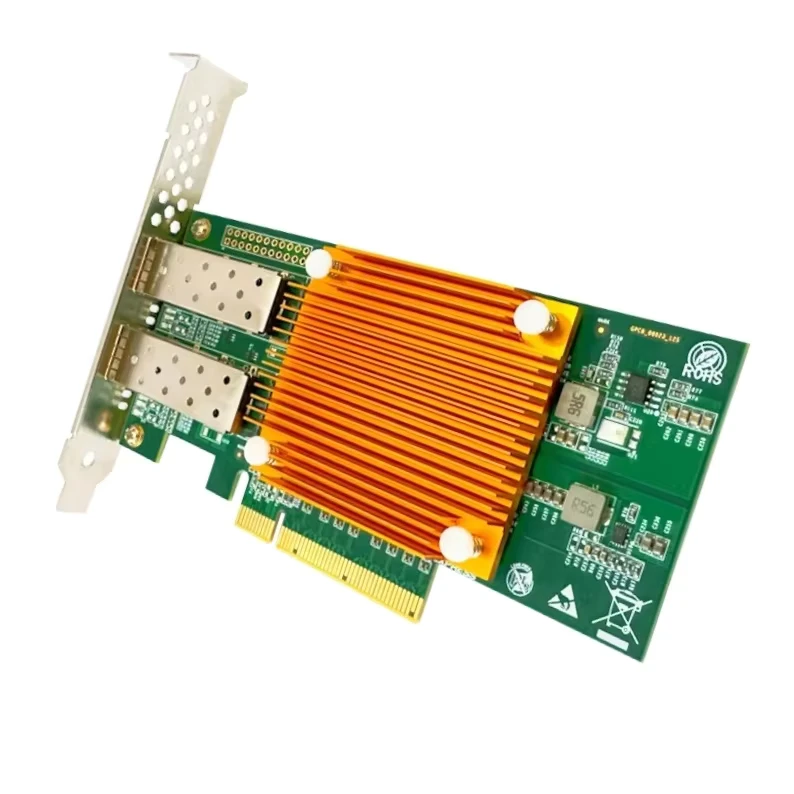
For applications moving beyond Gigabit Ethernet, the dual-port 10GbE adapter combines two SFP+ ports with a PCIe 2.0 x8 host interface. It is specified with an Intel 82599-compatible chipset, supports 1/10GbE transmission, and includes a three-year warranty. Buyers should confirm suitable transceivers, cables, and switch compatibility when planning the complete link.
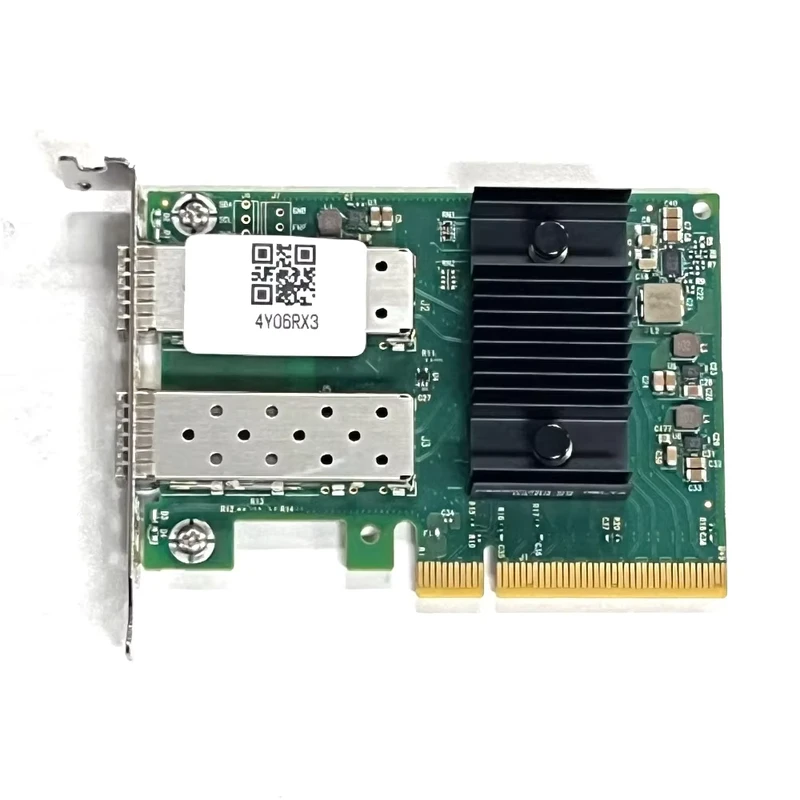
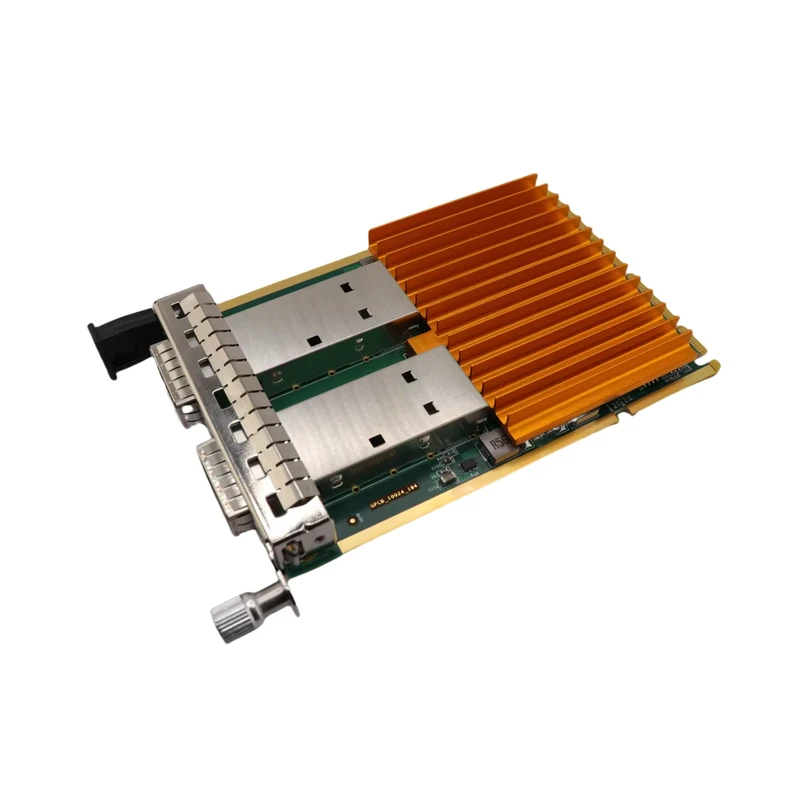
Higher-throughput server and fiber projects can consider the dual-port 25G fiber card. It supports 25Gbps data transfer and PCIe x8 or x16 connectivity. As this product is listed as used, procurement teams should request details about condition, testing, included accessories, and available quantities before ordering.
Prepare a More Accurate RFQ
When requesting a quote, specify the target server, available PCIe slot, required port count, operating system, cable medium, expected volume, and delivery destination. Explore the broader network card range, or contact us with your project requirements for availability, compatibility review, and commercial terms.